
Care & Maintenance Guides
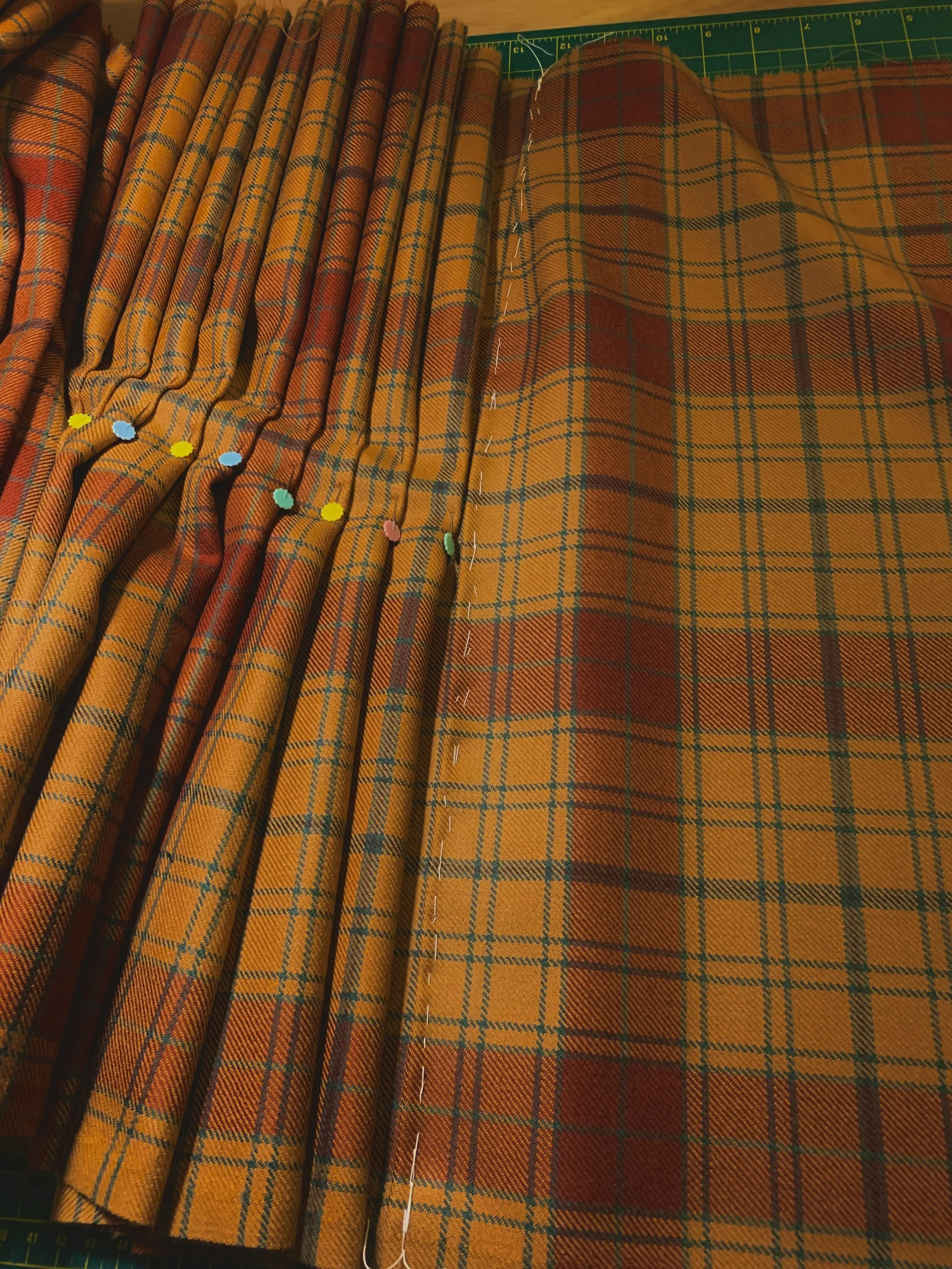
100% Wool Tartan Kilt
Proper care will preserve the appearance, structure, and longevity of your 100% wool tartan kilt. Wool is a natural fiber that benefits from gentle handling and correct storage.
1. Cleaning
Routine Cleaning
Wool kilts do not require frequent washing. Spot clean minor marks using a damp cloth and cold water.
Blot gently—do not rub—as rubbing can distort the fibers or set stains.
Dry Cleaning
For thorough cleaning, professional dry cleaning is recommended.
Always inform the cleaner that the garment is a pleated wool kilt, so pleats are preserved.
Avoid frequent dry cleaning, as excessive chemicals can weaken wool fibers over time.
Washing (Not Recommended)
Do not machine wash or tumble dry.
Hand washing is not advised unless experienced in the care of wool garments.
2. After-Wear Care
After wearing, allow the kilt to air out before storing. Lay it out flat with the inside facing out it in a well-ventilated area for several hours.
Lightly brush the fabric with a soft garment brush to remove dust or surface debris.
If the kilt becomes damp, lay it flat to dry on an absorbent surface, such as a towel, at room temperature. straighten all pleats and ensure the aprons are flat.
Never apply direct heat such as radiators or hair dryers.
3. Pressing & Pleat Care
Wool kilts should rarely need pressing if properly stored.
If pressing is required:
Use a cool to medium steam setting
Place a pressing cloth between the iron and fabric
Press gently along the pleats—do not flatten them
Never iron the kilt directly without steam or a cloth barrier.
4. Storage
Hanging (if worn regularly)
Store the kilt on a proper kilt hanger or wide clip hanger to support the weight evenly.
Ensure pleats hang straight to maintain their shape.
Use natural moth deterrents such as cedar or lavender—avoid mothballs, which can damage wool and leave strong odors.
Long-Term Storage
Roll the kilt into a cylinder with the aprons forming the outer layer.
Store in a breathable garment bag
Keep in a cool, dry place away from direct sunlight to prevent fading.
Use natural moth deterrents such as cedar or lavender—avoid mothballs, which can damage wool and leave strong odors.
Avoid stacking heavy items on top of the kilt.
5. General Care Tips
Avoid prolonged exposure to rain; if worn in wet conditions, dry thoroughly afterward.
Always wear under garments to protect the kilt. Moths are particularly attracted to areas with urine drops.
Handle buckles, straps, and pins carefully to prevent snags or tears.
With your kilt you received additional tartan material, this should be retained to aid in future alterations as it can be used to lengthen waist bands, or create new buckle chaps to match the tartan in the even a buckle is moved.
With proper care, a wool tartan kilt will retain its structure, color, and elegance for many years of wear. I wish you many years of enjoyment from your new Kilt.
Roger Cairns
Kilt Maker